
AI Content and Infinite Segmentation: Why DTC Brands Must Go IRL
‘It’s about to be easier to make content than to consume it.’
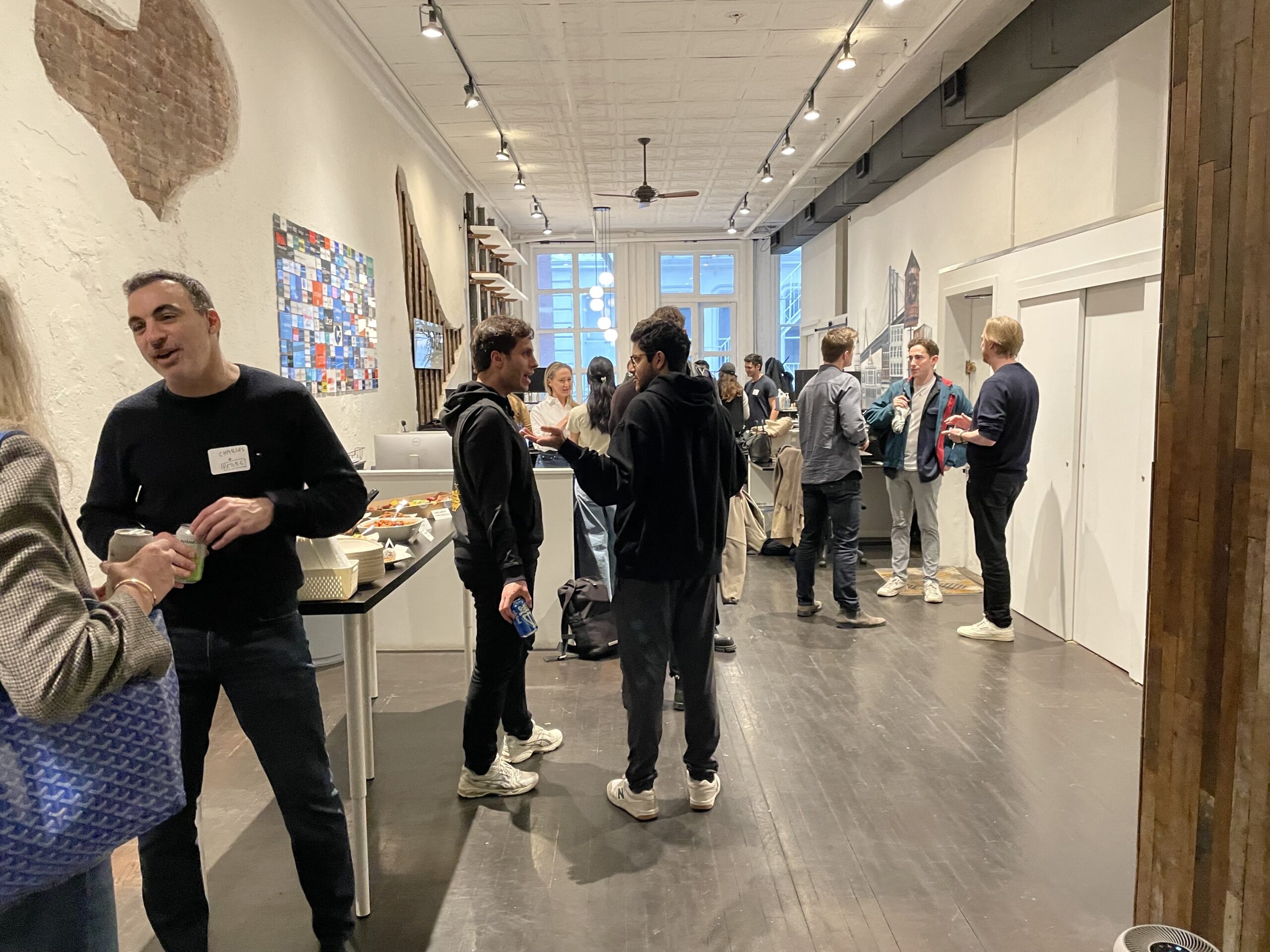
A very smart founder dropped that line at our consumer forum in SoHo last week, and the whole room nodded.
The second-order effect of this shift? Consumers will flock toward IRL channels in record numbers. Here’s why.
Volume is no longer a competitive advantage. Consumers are exhausted and overloaded. In a room full of DTC founders, with businesses of all scales, nobody was worried about making more content. They were worried about how to break through when everyone can crank up the same machine.
The quantity game has been solved. One brand launched last month with 6-10 micro creators each producing an ad per day at a flat monthly rate (plus a 10% revenue share). That model allows the company to push ~70 ads/week into the algorithm, see what takes off, and then recycle the winners across channels while a new batch is already testing.
Another founder is using Claude Code to generate thousands of niche landing pages at a time. It’s the keyword-optimized pipe dream of the SEO era, at massive scale to meet the growing specificity of the AEO era: ‘[Product] for Goldendoodle Owners,’ ‘[Product] for Rottweiler Owners,’ ‘[Product] for Corgi Owners’…
I’m not saying these playbooks are easy to build well. They’re not. But they’re possible, and getting easier each month.
Over the past 25 years, adtech has been focused on getting a generic message to an increasingly specific customer. We’re getting close to a world where brands can get perfectly customized creative in front of perfectly targeted customers.
Sib Mahapatra called it ‘infinite segmentation’: a strong core identity, fractured intelligently across channels, personalized so every customer gets their own version of the brand.
This infinite segmentation will dazzle consumers for a while, but will eventually become table stakes. (Remember when seeing your name in a brand’s email subject line was novel?)
In the long term, the most reliable way for brands to nurture relationships with consumers will be by helping us nurture relationships with each other. The more individualistic digital content becomes, the more we’ll crave IRL engagement that brings together communities.
Jones is one of my favorite examples here. Hilary and Caroline are building a nicotine cessation company informed by cutting-edge science. But what made me a believer was this insight: people need community for new habits to stick. Jones fills a void. Quitting becomes an identity that bonds users together. Their products are chic, their app layers in the social experience, and the resulting brand makes it cool to be a ‘Quitter.’
This is the model of the future. I believe consumers will go increasingly tribal. Shared meals, travel, collaborations, affiliate communities, invite-only events… things that make you feel like you’re part of something, not just targeted by something.