
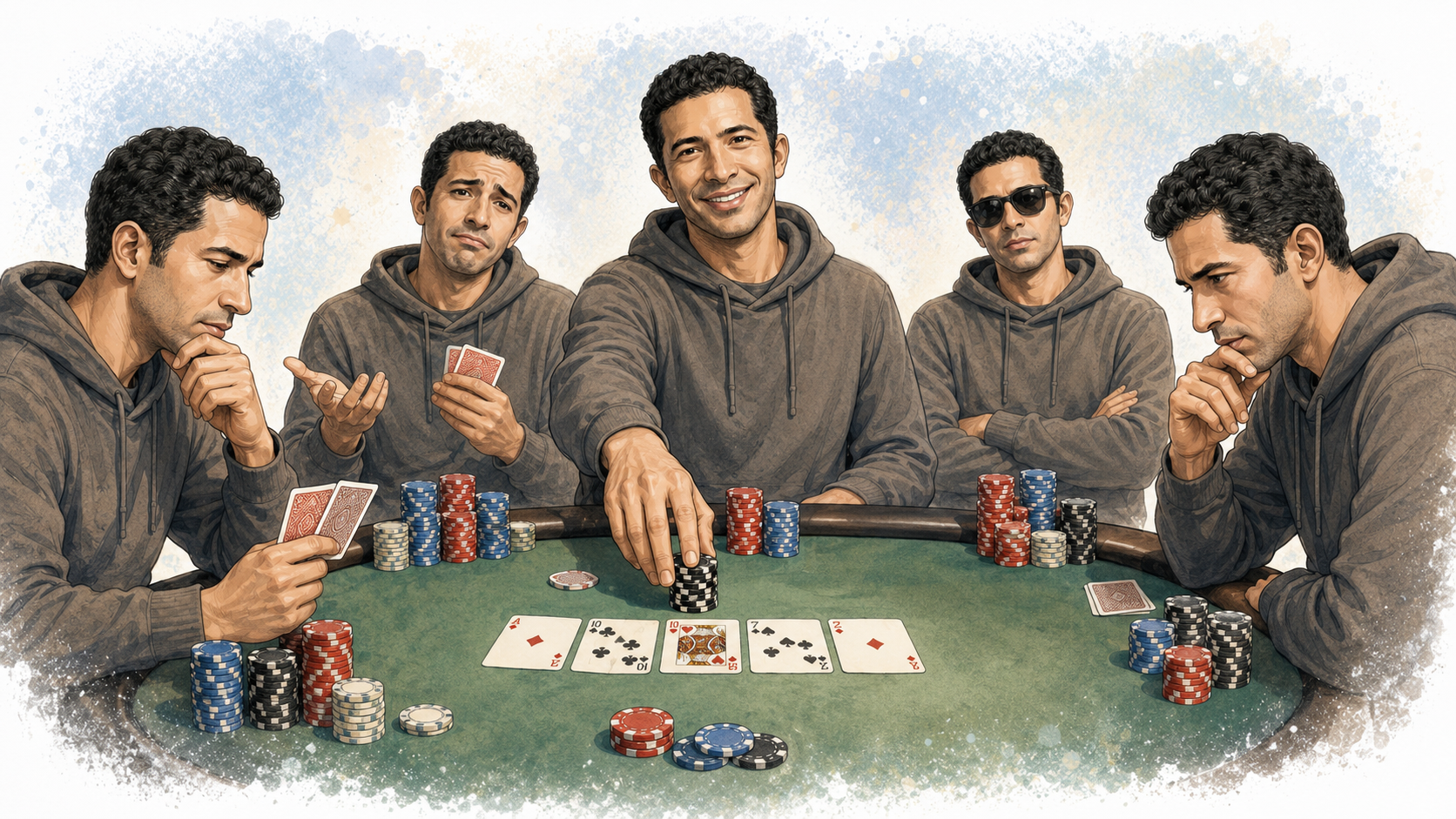
The Hardest Call in Venture Isn’t What to Back. It’s Whether to Sell.
Secondaries seem to the topic du jour. I’ve had a lot of conversations these past few weeks on them with LPs and other GPs. One LP told me some of the secondary selling he’s seeing isn’t driven by conviction about valuation, it’s driven by fundraising, putting points on the board to help the next raise. Others are systematic sellers after a certain valuation threshold or when a position becomes too material to a fund.
The “should you sell” debate is one of the most contested, and I go back and forth. Some of the most experienced people I respect say it plainly: that’s not your job. You back winners and hold. Selling is what you do when you’re nervous. Others, equally experienced, say getting out is as important as getting in.
The holders point to SpaceX. OpenAI. Anthropic. The power law justifies holding: one winner can return multiples of the fund. Who would have expected trillion-dollar exits? The math looks obvious in hindsight. The decision never does.
The right answer depends heavily on your fund strategy. A growth fund or CVC may rationally be a buyer while a seed fund may rationally be selling.
Most of us were never trained to think about exiting. We learn to source, evaluate, and back. Secondary decisions are different: you’re making a unilateral valuation call on a private company with incomplete information, with limited windows, sometimes at discounts, sometimes at premiums.
Age probably biases you subconsciously. Earlier in your career, you need DPI to prove the fund and raise the next one. But if you’ve lived through a few cycles, you’re more inclined to sell, fearing the next bubble bursting.
I’ve been wrong in both directions. We’ve sold into a company that declined significantly, which felt like wisdom until I realized it was mostly luck. We’ve missed real upside by selling too early into something that kept compounding. And we’ve had exits that went public hovering below their last private round.
Know when to hold ’em, know when to fold ’em.