
Dumb Hardware Depreciates. Smart Hardware Compounds.
I was at the dentist last week, surrounded by machines. Expensive ones. And every single one was dumb. The X-ray arm, the drill, the little suction thing: none of them knew anything about me, or about each other. They’ll be exactly as smart in 2030 as they were the day they were installed.
That’s antiquated.
The hardware you buy should get better after you buy it.
That sounds obvious now. It wasn’t true for most of my life. A fridge was as good as it would ever be the day it arrived. A WHOOP on day one is a wristband, but a WHOOP on day 180 knows you better than you know yourself. Every device now has the potential to be a learning device that gets ‘better with age’.
This change has me invigorated about the category in a way I’ve never been before.
Why is smart hardware so much more exciting to me as an investor than dumb hardware? A few reasons:
💍 When a device learns you, leaving costs you. Switching costs make products sticky, and smart devices build personal knowledge that competitors can’t offer on day one.
🛬 Products can land and expand. They need to earn a place in your home once, then they can keep adding value digitally with new features and use cases. Subscription fees are justified, which transforms ACV.
📊 The data moat compounds. Every device, every customer, every day makes the product smarter. And much harder to copy.
🥰 Grudge products can now delight customers. Things as utilitarian as an oven can become gourmet guides that know your taste and set your menu, thanks to Suvie. (We didn’t invest – we’re just big fans of Robin.)
For 15 years, ‘hardware is hard’ was treated as settled wisdom: low margin, no recurring revenue, impossible to iterate after it ships. Smart hardware breaks all three. The best hardware companies today function as software businesses with a physical wedge into your home.
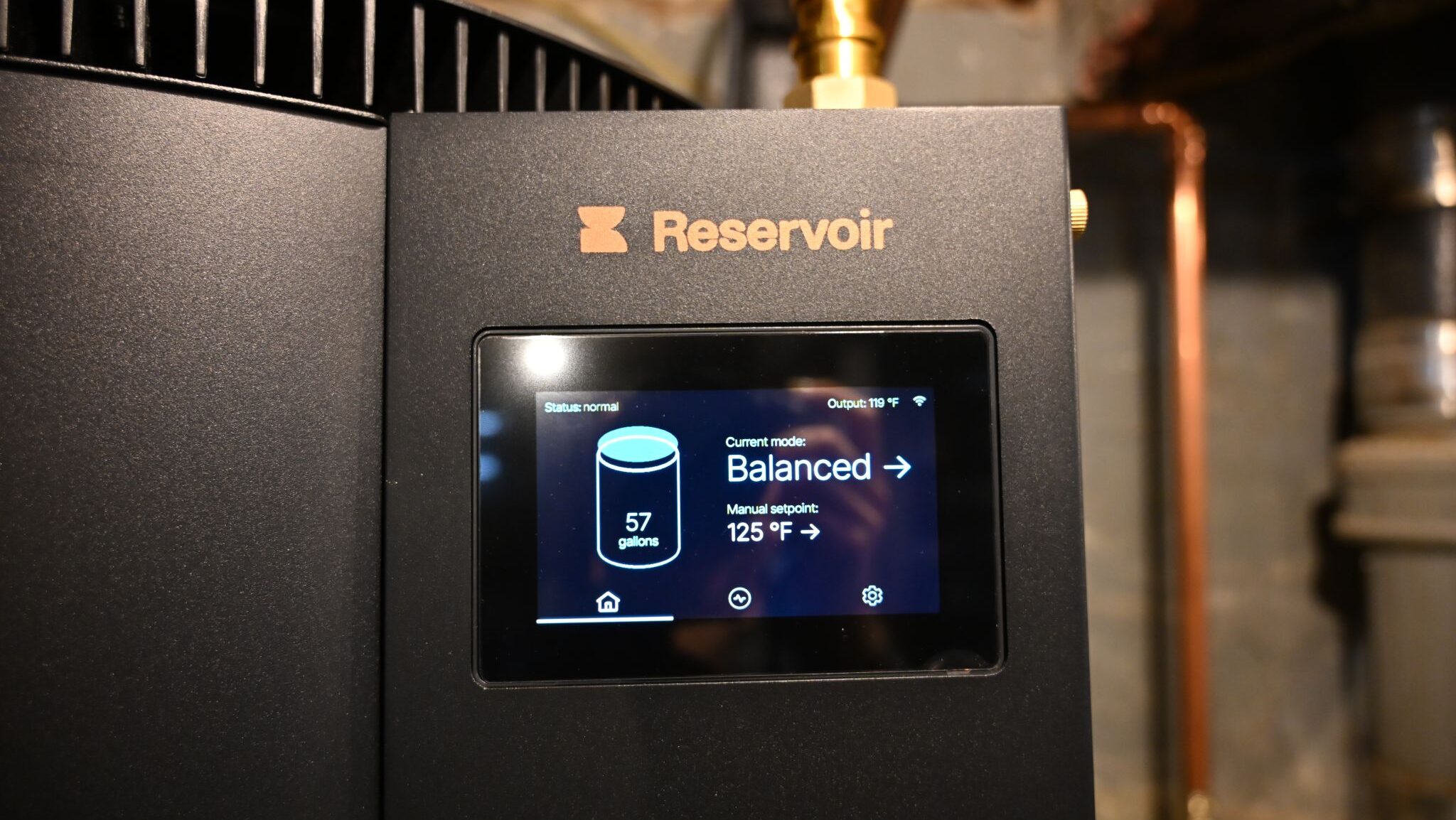
Take Reservoir. It replaces a dumb water heater, costs about the same to install, and saves the average home around $800 a year plus tax rebates. But the install is just the start. They launched a beautiful product, and now they’re shipping something new almost every week: Reservoir can detect leaks, take instructions from Siri, sync with solar panels… it even has a secret video game you can play on the touchpad.
They’re not just selling a water heater, they’re selling a relationship that gets more valuable over time. And they’ll know exactly what to sell you next 😉
Hardware is sexy again for good reason. Consumers are becoming less tolerant of dumb hardware, and higher expectations are creating massive opportunities in every vertical.
Whether you’re building hardware or backing it, ask yourself one question: does the product know your customer better in month six than it did on day one? If yes, that’s a compounding asset. If no, it’s a depreciating one.